



Author: Neandertal
-

Reflexive Startle or When Psychological Warfare Backfires
Chinese President Xi Jinping arrives in the United States. His host, Donald Trump, decides that a simple welcome is not enough — American military power deserves a little introduction of its own. Two massive B-1 bombers roar overhead. The stage is perfect: red carpet, soldiers, flags and the deafening thunder of jet engines.Then biology takes…
-

Caffeine as a Plant Weapon: Toxic Leaves and Flowers That Attract Insects
Although caffeine helps millions of people wake up each day, plants produce it primarily as a chemical defense. Caffeine accumulates in relatively high concentrations in the leaves of coffee and tea plants. By affecting the nervous systems of many insects, it can reduce feeding, slow development and, at sufficiently high doses, cause death. This helps…
-
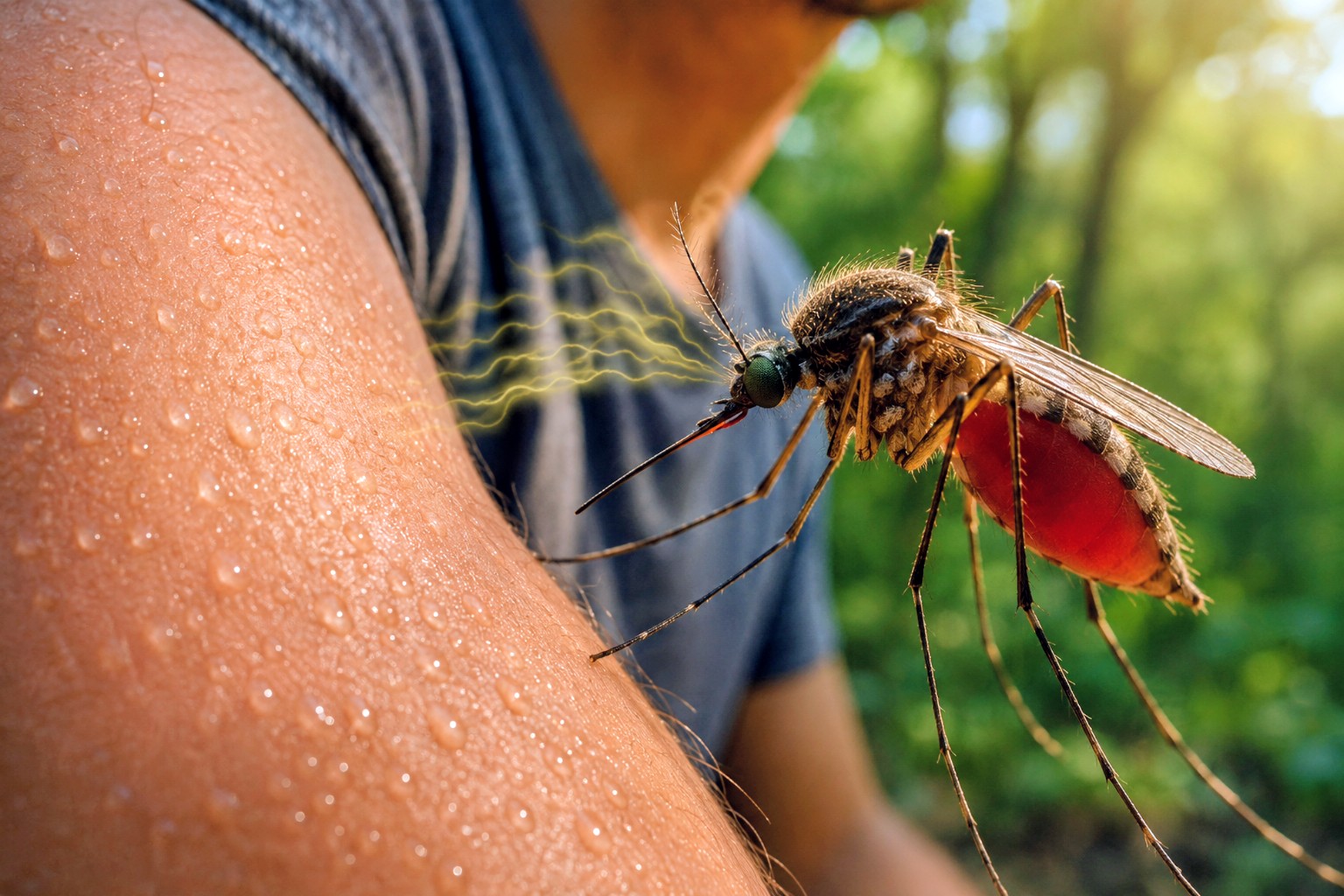
Is Your Blood Sweet or Your Skin Sour? Why Do Mosquitoes Bite Some People More?
Many people explain why mosquitoes bite certain individuals more than others by saying they have “sweet blood.” In reality, mosquitoes do not taste our blood before biting. They locate people mainly through the carbon dioxide we exhale, body heat and chemical signals released by the skin. A mosquito first detects carbon dioxide in the air…
-

Nitrogen Stolen from the Air: Why Would Half of Humanity Go Hungry Without This Discovery?
Approximately 78 percent of Earth’s atmosphere consists of nitrogen. The paradox is that plants cannot use this nitrogen directly. To support plant growth, it must first be converted into compounds such as ammonium or nitrate. For centuries, agriculture depended on the soil’s natural fertility, animal manure and nitrogen-fixing legumes. These sources alone could not feed…
-

Primates Chasing a Ball: Why Does the World Cup Still Fascinate Us?
The FIFA World Cup begins today. Remarkably, millions of people will spend hours watching 22 players chase a ball—and consider this completely normal. The roots of this fascination are ancient. Over thousands of years, the human brain adapted to care deeply about the successes and failures of its own tribe. Those tribes were once made…
-

The Body’s Stabilizers: Why Do We Swing Our Arms When We Walk?
Do you swing your arms when you walk? Watch several people carefully and you will notice an interesting detail. Although the legs provide the main force that moves us forward, the arms are constantly in motion as well. At first glance, this may seem unnecessary. Biology, however, rarely wastes energy without a reason. When the…
-
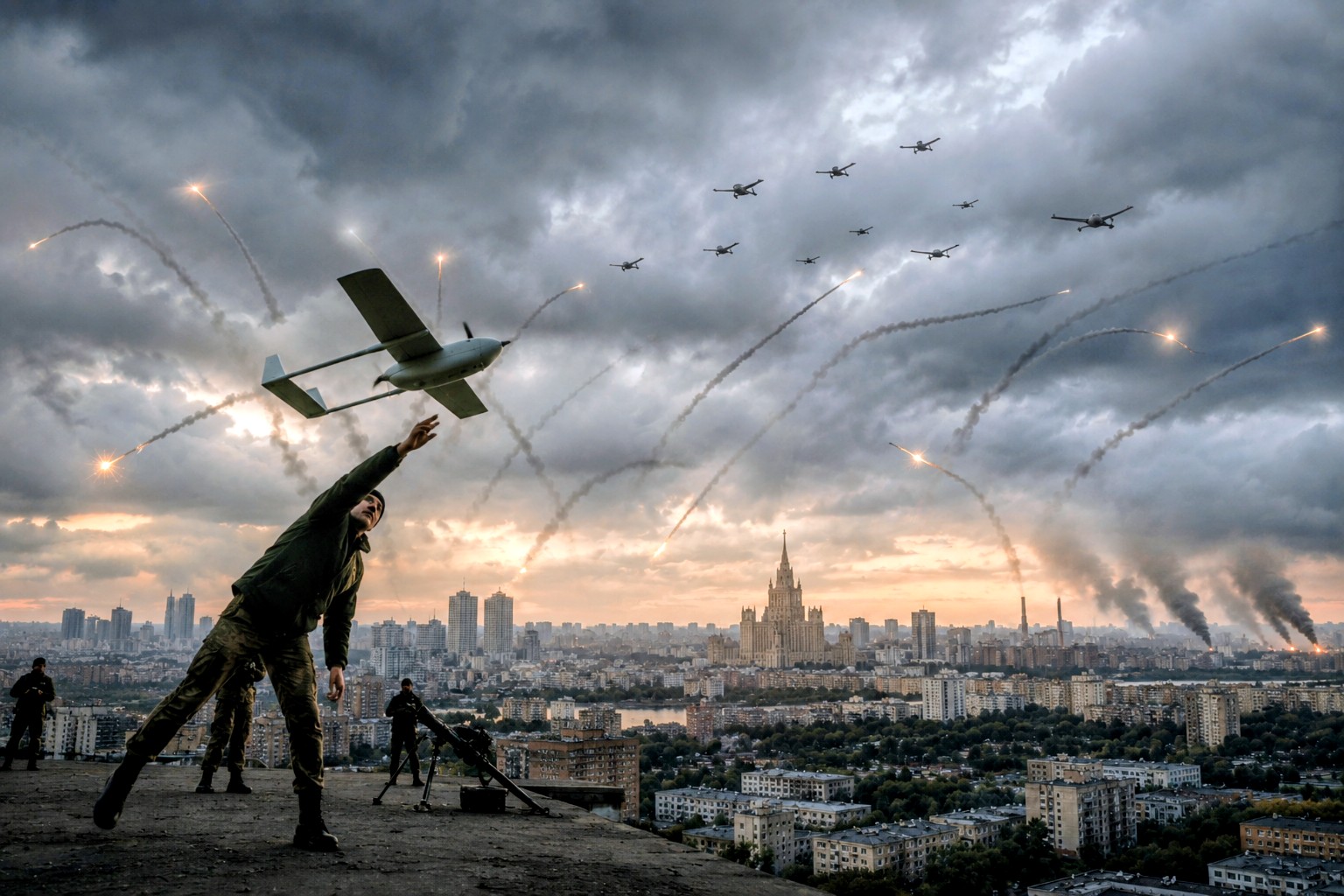
Radars Cannot See Everything: How Do Drones Reach Moscow?
The issue is not simply that defense systems are weak. The real constraints come from physics and statistics. Modern radars can detect large aircraft from hundreds of kilometers away. Small drones, however, produce much weaker radar reflections and often fly at low altitudes where trees, buildings and terrain interfere with detection. The curvature of the…
-

False Satiety: Why Should You Avoid Cold Water When You Are Thirsty?
Drinking cold water when you are thirsty can create a premature sense of satisfaction in the brain. Although nerves in the throat respond to the cold and signal that thirst has been relieved, the body may not yet have received enough water. Cold water may also remain in the stomach longer and delay absorption in…
-

Empathy: Would We Go to a Hospital for a Complete Stranger?
In Shabran, a father shared on social media that he had grown up without parents and was therefore waiting alone outside the hospital for the birth of his child. People who did not know him came to the hospital to share that moment with him. Behind this response lies one of the oldest features of…
-

The Scent of Fear: How Do Dogs Know You Are Afraid?
The phrase “dogs can smell fear” is more than a metaphor. When a person becomes frightened, the sympathetic nervous system is activated. Adrenaline and other stress hormones alter heart rate, breathing and sweating. At the same time, the composition of the volatile organic compounds released through sweat and breath may also change. A dog’s sense…